Is Sedation Dentistry Safe for Children? Ramsey Parents’ Top Questions Answered
For many parents, the idea of their child receiving dental treatment while sedated can feel overwhelming at first. Questions about safety, effectiveness, and when sedation is truly necessary are common, especially when young children feel anxious about dental visits or need more extensive treatment. Understanding how sedation works can help families feel more comfortable and informed before making decisions about their child’s dental care.
At Valley Smiles Pediatric Dentistry, helping children feel calm and supported during dental visits is always a priority. Modern sedation techniques are carefully designed with children’s safety in mind and are commonly used to help young patients receive the care they need without fear or discomfort. For families in Ramsey and surrounding communities, learning more about sedation options can make upcoming dental visits less stressful for both children and parents.
What Is Sedation Dentistry for Children?
Sedation dentistry involves using medication to help children relax during dental procedures. Depending on the child’s age, medical history, anxiety level, and treatment needs, a pediatric dentist may recommend different forms of sedation. The goal is not always to make a child fully asleep. In many cases, sedation simply helps children remain calm and comfortable while staying responsive throughout treatment.
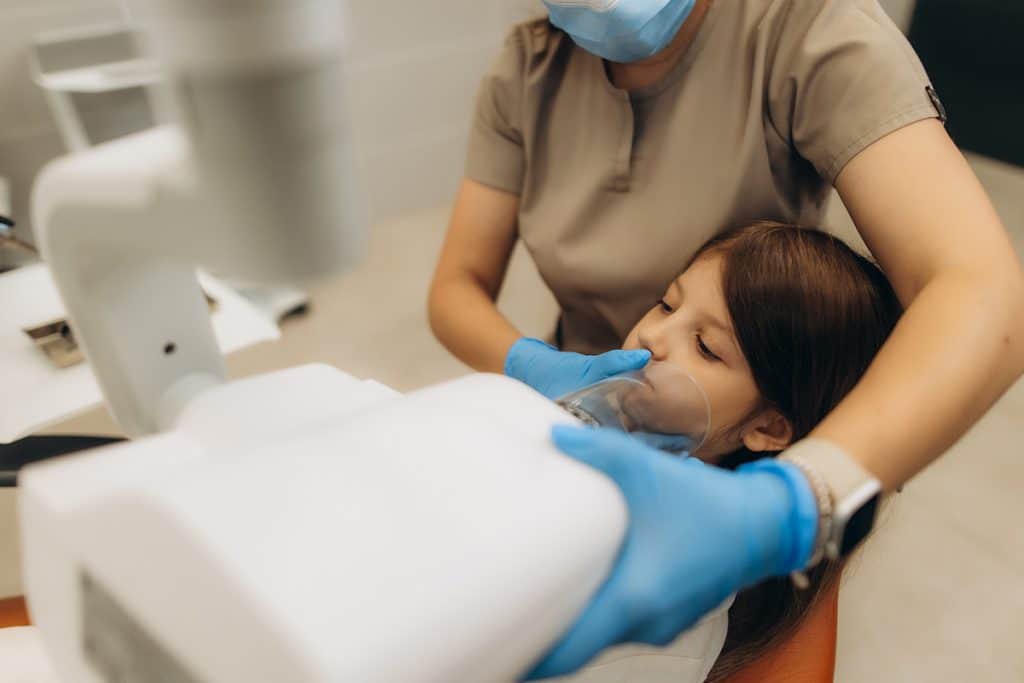
Pediatric dentists commonly use mild sedation methods such as nitrous oxide, also known as laughing gas. This option helps children relax while remaining awake and aware. For more complex procedures or children with severe anxiety, deeper forms of sedation may sometimes be recommended. Every recommendation is based on the individual child’s needs and overall health.
Parents are often surprised to learn how common sedation is in pediatric dentistry. Children who have difficulty sitting still, experience strong gag reflexes, have special healthcare needs, or require extensive dental work may benefit significantly from sedation. It can also create a more positive dental experience, reducing fear and helping children build confidence about future appointments.
Is Sedation Dentistry Safe for Children?
One of the most common questions parents ask is whether sedation is truly safe for children. The answer is yes when administered by trained pediatric dental professionals following proper safety protocols. Pediatric dentists receive specialized training in child development, behavior management, and sedation techniques to ensure children are monitored carefully throughout treatment.
Before recommending sedation, the dental team reviews the child’s complete medical history, including allergies, medications, breathing conditions, and previous reactions to sedation or anesthesia. This careful screening process helps minimize risks and determine the most appropriate approach for each patient.
During treatment, children are continuously monitored to track breathing, heart rate, and oxygen levels. Modern pediatric dental offices use advanced equipment and strict safety guidelines to maintain a safe environment throughout the procedure. These safeguards help ensure children remain stable and comfortable from start to finish.
Parents should also know that sedation levels are carefully controlled. The dentist uses the lowest effective level of sedation necessary to complete treatment safely and comfortably. For most children, side effects are mild and temporary, such as slight drowsiness after the appointment.
Which Children May Benefit From Sedation Dentistry?
Not every child requires sedation during dental care. However, certain situations may make sedation especially helpful. Young children who are unable to remain still for longer appointments may benefit from sedation to ensure treatment can be completed safely and efficiently.
Children with dental anxiety or fear are also common candidates. Negative dental experiences or fear of unfamiliar sounds and sensations can make routine care difficult for some kids. Sedation can help create a more relaxed experience that prevents future dental fears from developing.
Sedation may also be recommended for children who need multiple procedures completed during a single appointment. Instead of requiring several visits, sedation can help dentists perform treatment more comfortably in fewer sessions. This can reduce stress for both parents and children while helping restore oral health sooner.
Children with special healthcare needs or sensory sensitivities may also respond well to sedation dentistry. Some children struggle with bright lights, sounds, or remaining still during treatment. Sedation can help them receive important dental care in a calmer, more manageable environment.
What Should Parents Expect Before and After Sedation?
Preparation is an important part of ensuring sedation dentistry is safe and successful. Parents will receive detailed instructions before the appointment, including eating and drinking restrictions. Following these instructions carefully is essential because food or liquids in the stomach can increase certain risks during sedation.
Parents should also inform the dental office about any illnesses, medications, or recent health changes before the appointment. Even mild colds or congestion can affect sedation recommendations, so communication with the dental team is important.
On the day of treatment, parents should plan to stay with their child before and after the procedure. Most children recover quickly after mild sedation, although some may feel sleepy or slightly groggy for a few hours. Resting at home and drinking plenty of fluids can help support recovery.
After sedation, children should avoid strenuous activity for the remainder of the day. Parents should continue monitoring them closely until the effects fully wear off. The dental team will provide personalized aftercare instructions based on the type of sedation used and the procedure completed.
How Pediatric Dentists Prioritize Comfort and Safety
Pediatric dental offices are designed specifically for children, and that includes how sedation is approached. Experienced pediatric dentists understand how to communicate with children in age-appropriate ways that reduce fear and build trust before treatment even begins.
Behavior guidance techniques are often used alongside sedation to help children feel more relaxed. Friendly explanations, calming environments, and positive reinforcement can make a significant difference in how children experience dental care. Sedation is never used casually. Instead, it is carefully considered as part of a broader strategy focused on comfort, safety, and positive experiences.
Parents also play an important role in helping children feel calm. Staying positive, avoiding anxious language, and preparing children gently before appointments can help create a smoother experience. When parents and pediatric dental teams work together, children are more likely to feel safe and supported during treatment.
At Valley Smiles Pediatric Dentistry, the focus is on making every child’s visit as stress free and comfortable as possible while maintaining the highest safety standards throughout care.
Helping Ramsey Families Feel Confident About Pediatric Dental Care
Learning that a child may need sedation during dental treatment can naturally raise concerns for parents. However, modern pediatric sedation dentistry is highly regulated, carefully monitored, and designed with children’s safety as the top priority. For many children, sedation can transform a stressful dental experience into one that feels calm, manageable, and positive.
When parents understand how sedation works and why it may be recommended, they can make more confident decisions about their child’s oral health. Working with an experienced pediatric dental team helps ensure children receive compassionate care tailored to their unique needs and comfort levels.
Frequently Asked Questions About Sedation Dentistry
Will my child be asleep during sedation dentistry?
Not always. Mild sedation options like nitrous oxide help children relax while remaining awake and responsive. Deeper sedation methods may make children very sleepy, depending on the treatment and their specific needs.
Is laughing gas safe for children?
Yes. Nitrous oxide, commonly called laughing gas, is widely used in pediatric dentistry and is considered very safe when administered by trained professionals. The effects wear off quickly after treatment is completed.
How long does it take for sedation to wear off?
Recovery time depends on the type of sedation used. Mild sedation often wears off within a short time, while deeper sedation may require several hours of rest and monitoring at home afterward.
Can children eat before sedation dentistry?
Parents are usually instructed to limit food and drinks before sedation appointments. The dental team will provide detailed instructions based on the type of sedation planned for the procedure.
Why would a child need sedation for a dental procedure?
Sedation may be recommended for children with dental anxiety, difficulty sitting still, special healthcare needs, strong gag reflexes, or extensive dental treatment needs. It helps create a safer and more comfortable experience.
At Valley Smiles Pediatric Dentistry, we are committed to creating positive dental experiences for children and families throughout Ramsey and nearby communities. Our team focuses on compassionate pediatric care, patient comfort, and personalized treatment designed to support lifelong oral health. We believe every child deserves a safe and welcoming environment during every dental visit. Contact us today to learn more and schedule a consultation.